Montana Dude Ranch Vacations
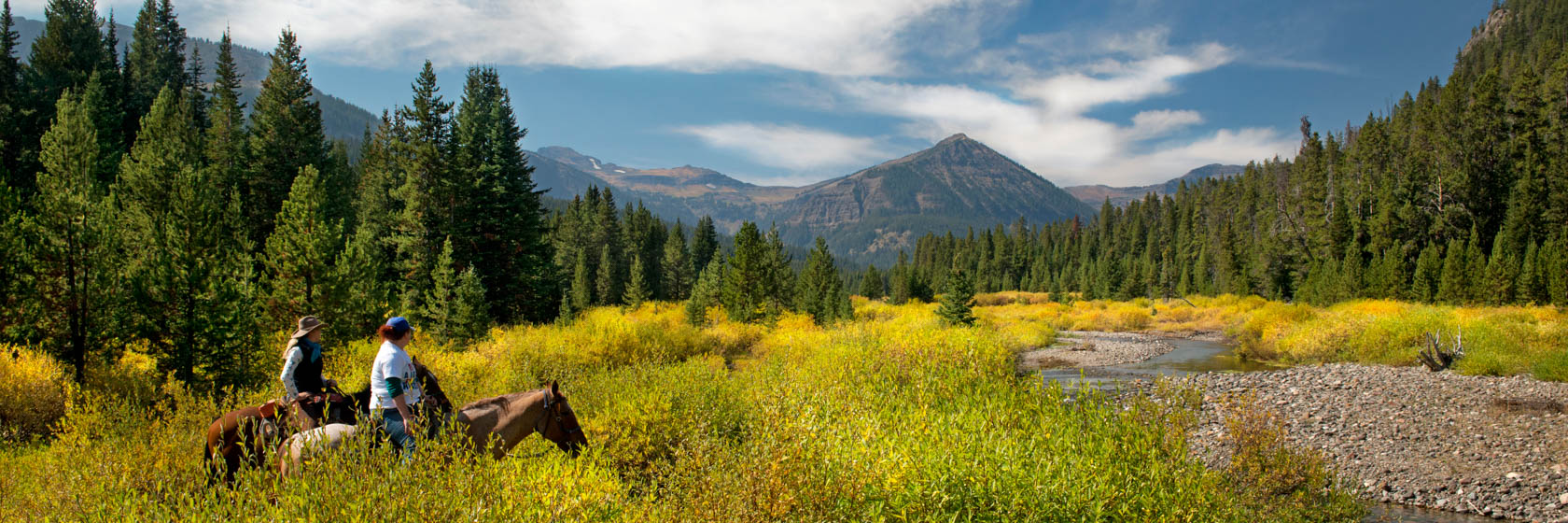
A Montana ranch vacation is an all-inclusive stay at a dude or guest ranch, where one rate covers lodging, meals, and daily horseback riding. Montana’s ranches sit in Big Sky country and along the Flathead Valley, near Glacier and Yellowstone, and most operate from late spring through early fall.
2026 marks the Dude Ranchers’ Association’s 100th anniversary — read the story behind a century of Western hospitality
Why Choose a Montana Dude Ranch Vacation
Known as “The Big Sky State” and “The Last Best Place,” Montana is a state of vast open spaces, dramatic wilderness, and scenery that seems built for a ranch vacation. Montana’s ranches take full advantage of their surroundings, leading guests into national parks, through the Rocky Mountains, and across the open prairie of the northern Great Plains.
Glacier National Park sits in the state’s northwest corner, bordering the Canadian provinces of Alberta and British Columbia, with over 700 miles of trails and endless opportunity for horseback riding, hiking, and boating. Three of Yellowstone National Park’s five entrances are in Montana as well, putting guests within easy reach of the region’s iconic geothermal features and wildlife.
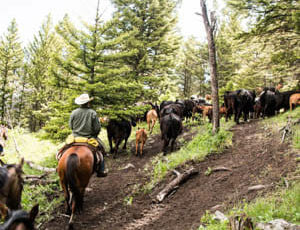
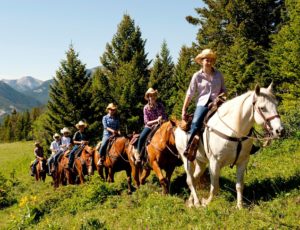
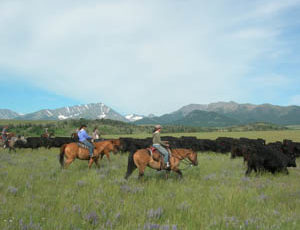
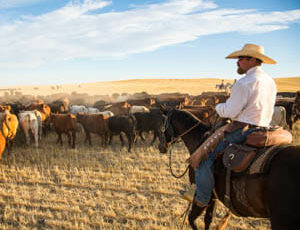
Whether your idea of a perfect ranch vacation is driving cattle like a real cowboy, casting a line on a pristine trout stream, or relaxing with a spa treatment after a day in the saddle, Montana’s DRA member ranches offer it.
Best Time to Visit a Montana Ranch
Most Montana ranches operate on a seasonal window, typically opening in late May or early June and closing by September or October, though a handful of properties, including a few on this list, operate year-round. Early summer brings green pastures and high water for fishing and rafting; late summer and early fall bring warmer, drier trail conditions and fall colors. Because the season is short relative to ranches in warmer states, popular Montana properties can book up well in advance for peak summer weeks.
Dude Ranches in Montana
Frequently Asked Questions
What is the best dude ranch in Montana?
The “best” ranch depends on what you’re looking for: traditional cattle work, a family-friendly guest ranch, or a luxury resort experience. Montana’s DRA member ranches range across all three styles; comparing a few ranch profiles side by side is the best way to find the right fit.
How much does a Montana ranch vacation cost?
$600 per adult per night.
What is included in an all-inclusive Montana ranch vacation?
A typical all-inclusive rate covers lodging, three daily meals, and a riding program matched to your experience level, with many ranches also including activities like hiking, fishing instruction, and evening programs at no extra charge.
When is the best time to visit a Montana dude ranch?
Most Montana ranches operate from late spring through early fall, with a handful open year-round. Early summer suits fishing and rafting, while late summer and early fall offer warmer, drier trail conditions.
Where are Montana’s dude ranches located?
Montana’s ranches cluster near Glacier National Park in the Flathead Valley and northwest corner of the state, near Yellowstone’s northern entrances around Big Sky and Gallatin Gateway, and across central Montana near Seeley Lake and Big Timber.
Are Montana ranch vacations good for families with young kids?
Many are. Most ranches run supervised kids’ programs and welcome younger children, though age minimums for full trail rides vary by property; it’s worth confirming a ranch’s specific policies before booking with young kids.
What is the difference between a dude ranch and a guest ranch?
The terms are often used interchangeably, but dude ranches traditionally center the week around horseback riding and Western ranch skills, while guest ranches tend to offer a broader mix of activities alongside riding. See What Is a Dude Ranch? for more detail.
Do you need horseback riding experience to stay at a Montana ranch?
No. DRA member ranches typically group riders by skill level, from complete beginners to experienced riders looking for faster-paced rides, so no prior experience is required to enjoy the riding program.